清代乾隆宫廷仿尼泊尔铜鎏金释迦牟尼佛(纽约邦瀚斯)
尺寸:高18.6cm
年代:清代 18世纪
质地:铜鎏金
风格:乾隆仿尼泊尔
来源:拍卖会
成交:87,500美元(2015.03)
参阅:纽约邦瀚斯
鉴赏:
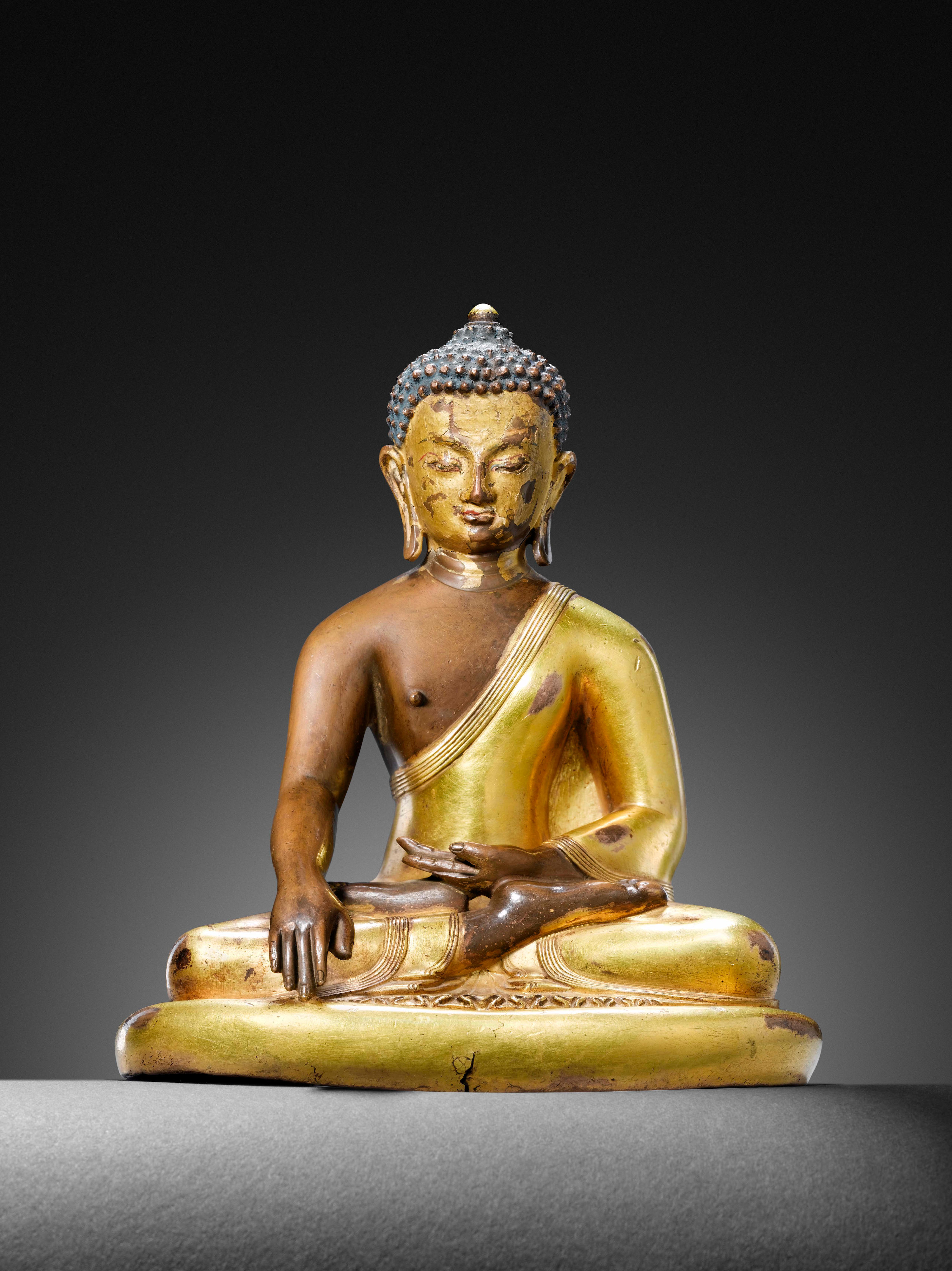
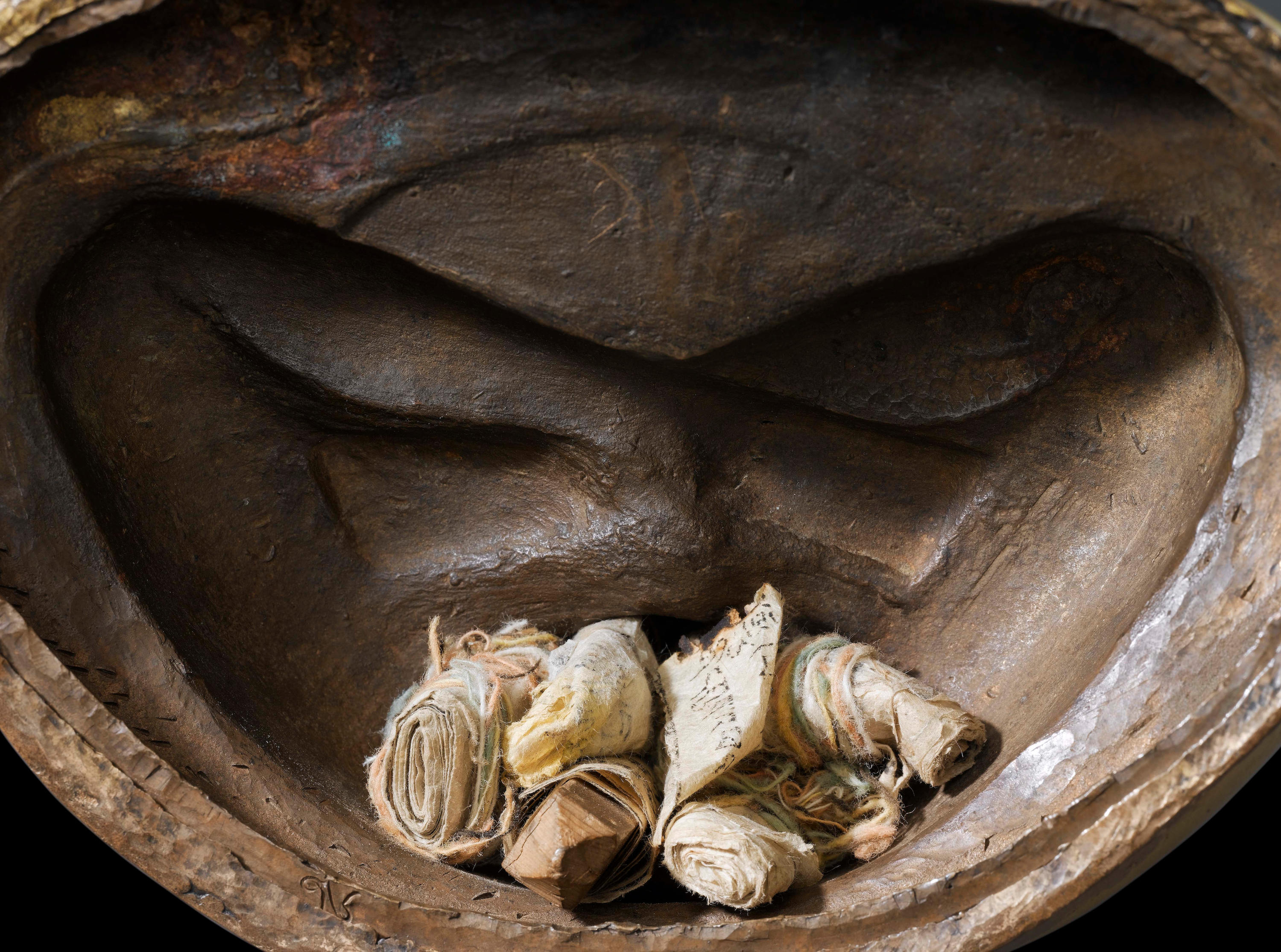
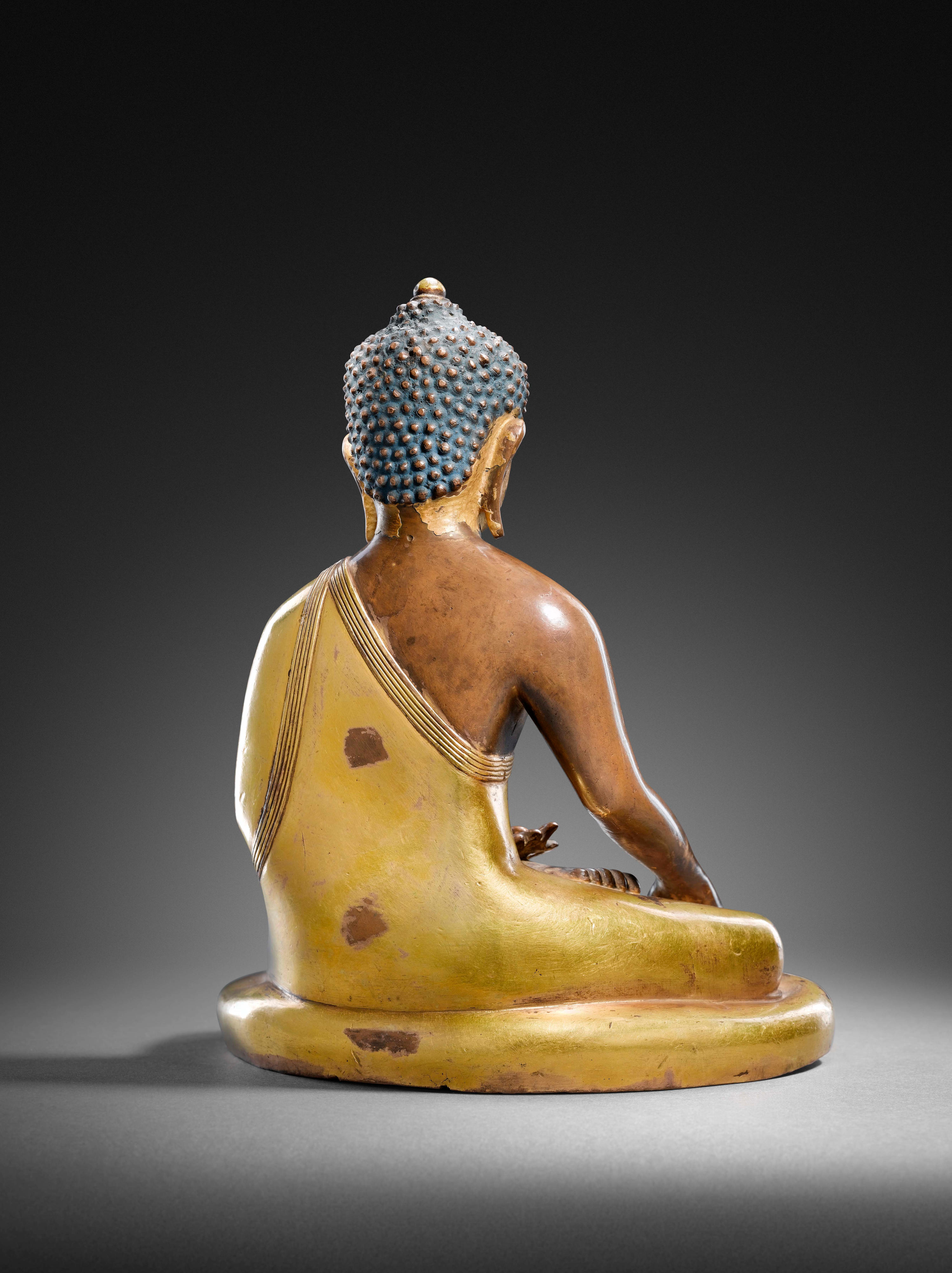
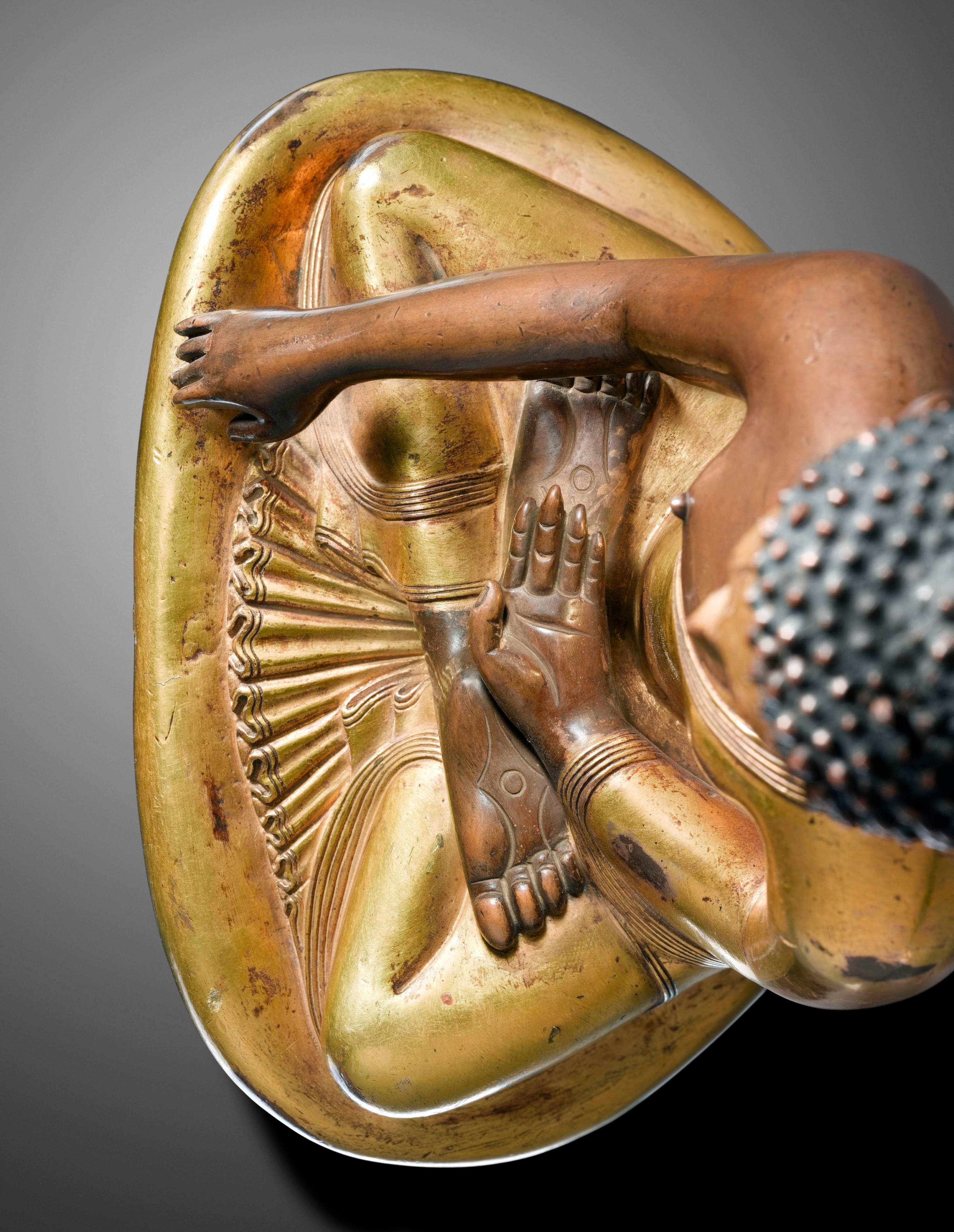
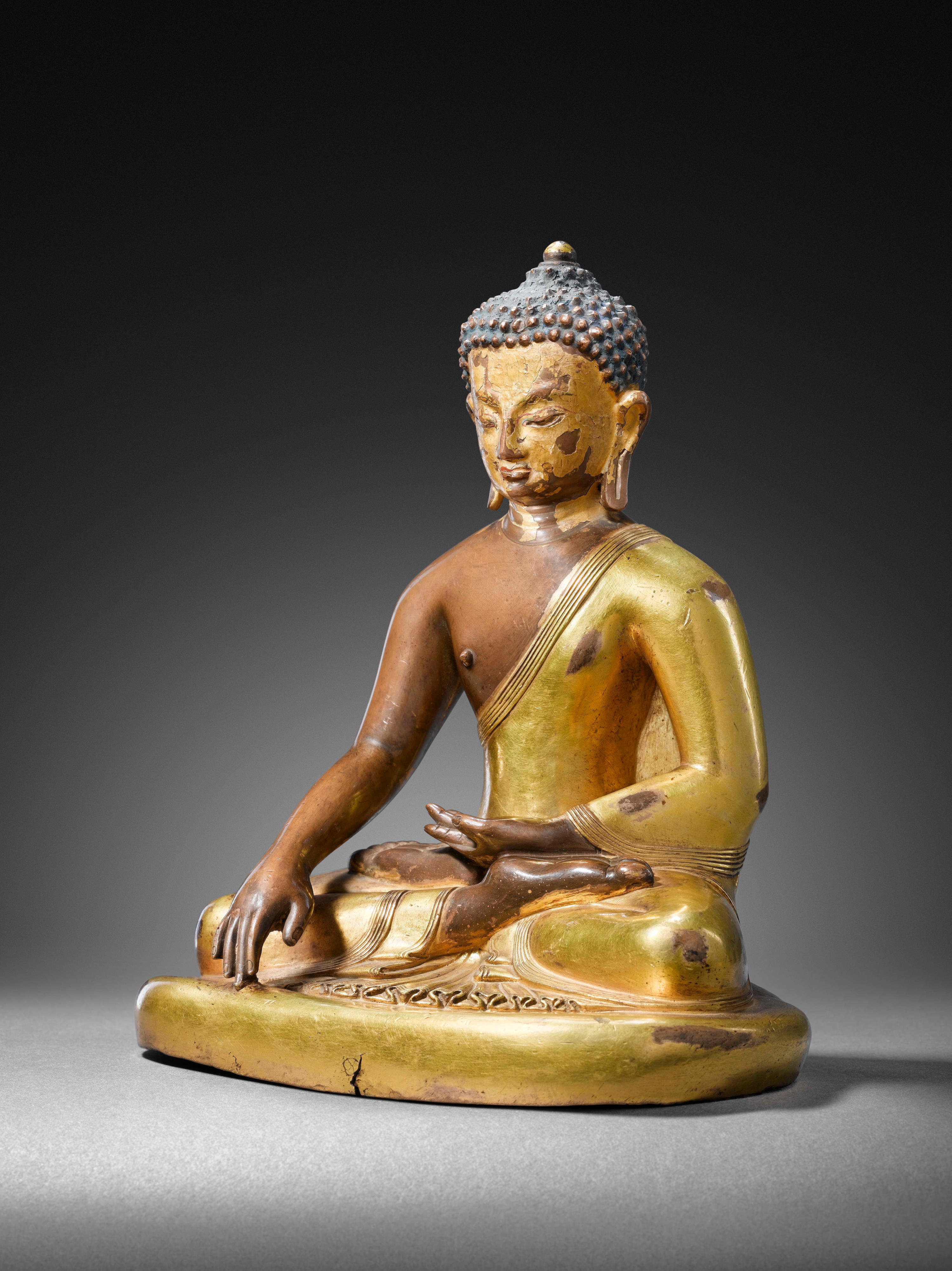
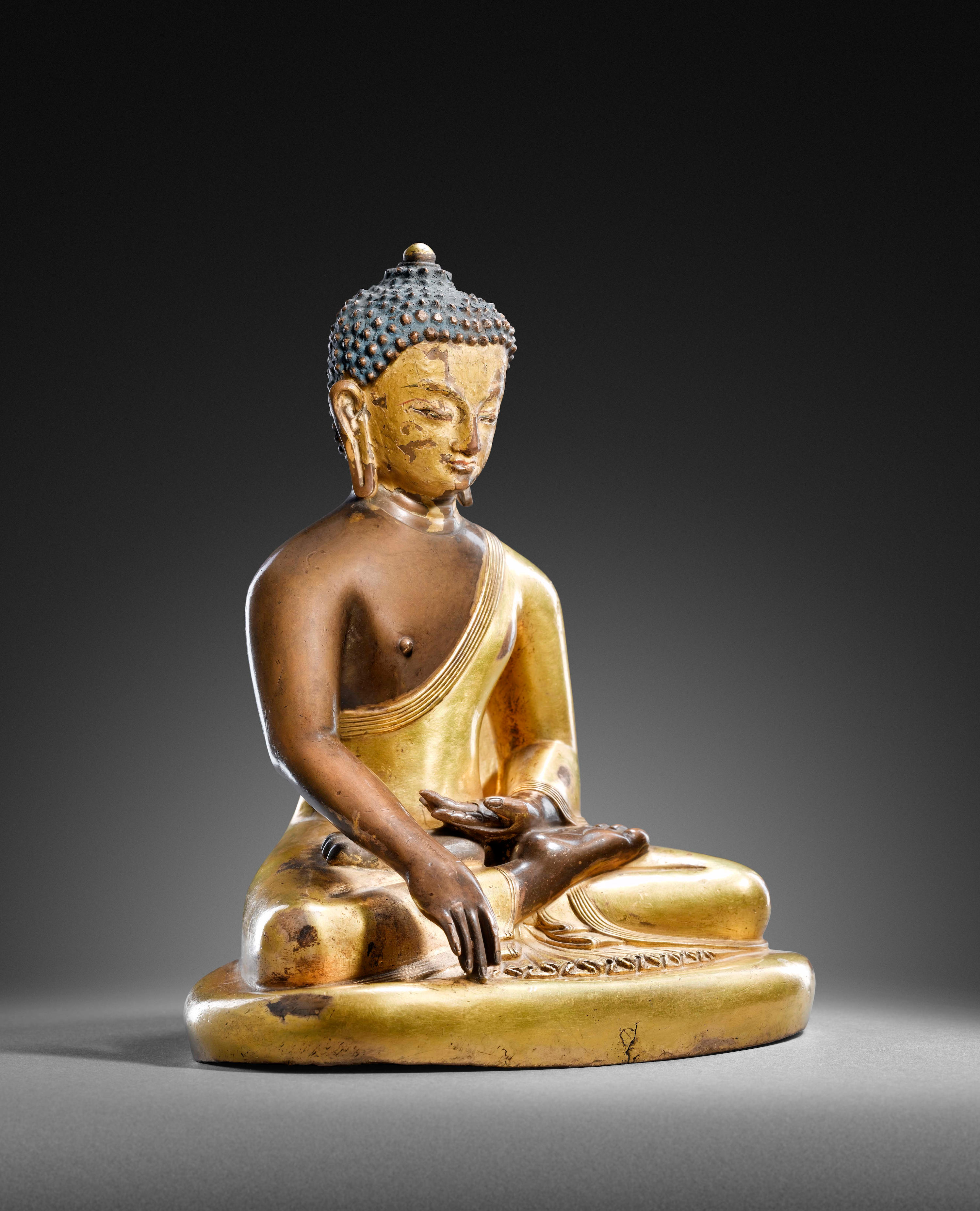
一尊局部鎏金的铜合金释迦牟尼佛像
清代乾隆宫廷仿尼泊尔风格
清代,18世纪
全跏趺坐于椭圆形台座之上,右手结触地印,面部及发间残留有冷金及彩绘痕迹。
高 7 3/8 英寸(18.6 厘米)
乾隆皇帝对亚洲各地的佛教艺术怀有浓厚兴趣,曾命令工匠仿制在其在位期间或即位之前传入宫廷的各类造像风格。这一计划进而影响了帝国境内各地的作坊。正如白馥兰(Patricia Berger)所指出的:
“对乾隆而言,仿制是一种驾驭具有超凡魅力之物的生涯、拥有它们、并以意想不到且强而有力的方式引导其能量的手段……对于这位皇帝而言,造像是一种深邃而神秘的存在,它生来便能超越其被创造的时刻而长久存续,比其创造者活得更久,见证历史,锻造属于自己的生涯与生命,甚至衍生出一系列仿作。”——(白馥兰,《空无之域》,檀香山,2003年,第127页)
本件造像正是这样一件“衍生品”,它再现了一种12世纪的尼泊尔风格,而这种风格本身又源自更古老的离车毗时期(5-8世纪)的佛像。清宫作坊所使用的范本,应与一件曾属希拉马内克收藏的铜像(见Pal《尼泊尔艺术》,伯克利,1985年,编号528)以及另一件于1996年9月19日在纽约苏富比售出的第83号拍品相似。
四尊“忏悔佛”曾分别于1992年12月5日(纽约苏富比,第48号拍品)及1996年9月19日(第79号拍品)售出,它们代表了这种尼泊尔复兴风格的类似实例。然而,其工艺明显不如此件精妙。这尊柔和而威严的造像,是同类作品中的典范——手足轮廓在光亮的铜质包浆下被精心塑造并刻画出细节,僧袍的边缘在其脚踝前呈心形褶边散开。它很可能与1965年新德里出版的《西藏之家博物馆:开幕展览》(Kazi编,图版16)中的一尊铜质佛像出自同一套组或同一作坊。
A parcel-gilt copper alloy figure of Shakyamuni
Qing, 18th century
Seated in dhyanasana on an oval base in the attitude of bhumisparsha mudra, his face and hair with remains of cold gold and pigments.
7 3/8 in. (18.6 cm) high
The Qianlong Emperor took great interest in Buddhist art across Asia, commissioning various stylistic copies of sculptures that reached his court before or during his reign. His project then influenced workshops throughout the empire. As Patricia Berger suggests:
'For Qianlong, copying was a way of harnessing the careers of charismatic objects, of possessing them, of channeling their energy in unexpected, powerful ways… For this emperor, the image was a profound and mysterious thing that by its very nature could survive long past its creation and outlast its creator to witness history, to forge a career and life of its own, and even to spawn a family of derivative works.' – (Berger, Empire of Emptiness, Honolulu, 2003, p. 127)
The present sculpture is one such 'descendent', recreating a 12th-century Nepalese style, which in turn is derived from more ancient Licchavi-period Buddhas (5th-8th centuries). The models used in Qing workshops would have been similar to a bronze formerly of the Heeramaneck Collection (see Pal, Art of Nepal, Berkeley, 1985, no. 528) and another sold at Sotheby's, New York, 19 September 1996, lot 83.
Four Confessional Buddhas sold at Sotheby's, New York, 5 December 1992, lot 48, and 19 September 1996, lot 79, represent similar examples of this Nepalese-revival style. However, they are clearly not as refined. This gentle yet commanding sculpture is a superlative work of the type; the contours of his hands and feet are carefully modeled and incised below a glossy copper patina, and the hems of his monastic robe fan out in heart-shaped pleats before his ankles. It is likely from the same set or workshop as a bronze of a Buddha published in Kazi, Tibet House Museum: Inaugural Exhibition, New Delhi, 1965, pl. 16.
Referenced:
HAR – himalayanart.org/image.cfm/41259.html
佛像网, 编号: 99408
Provenance:
Private European Collection
Acquired from the Private Collection of Ulrich von Schroeder in the late 1980s/early 90s