
侧边栏

13-14世纪尼泊尔迦舍末罗王朝铜鎏金金刚亥母(纽约佳士得)
尺寸:高10.8cm
年代:13-14世纪
质地:铜鎏金
风格:尼泊尔
来源:拍卖会
成交:137,500美元(2019.03)
参阅:纽约佳士得
鉴赏:
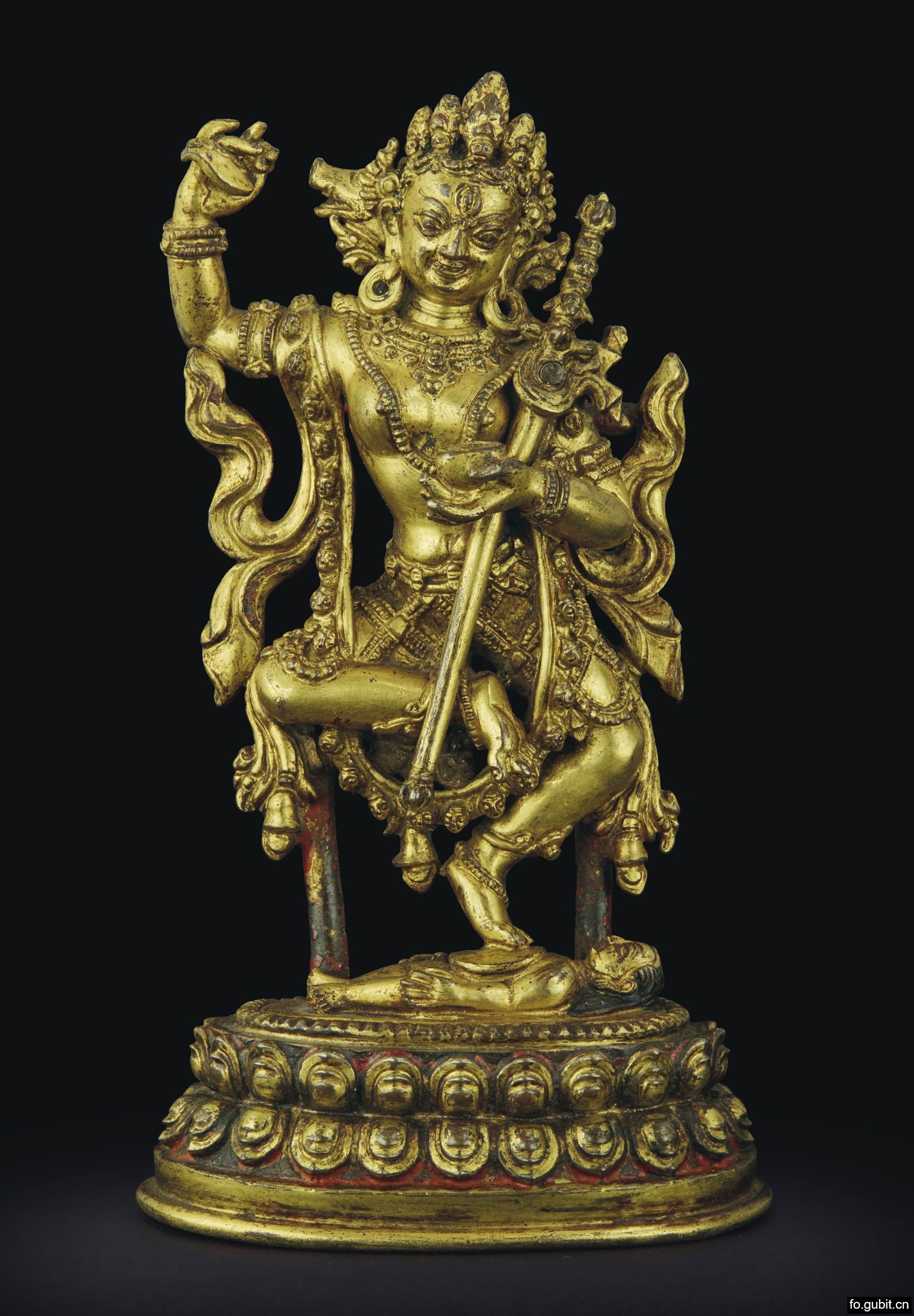
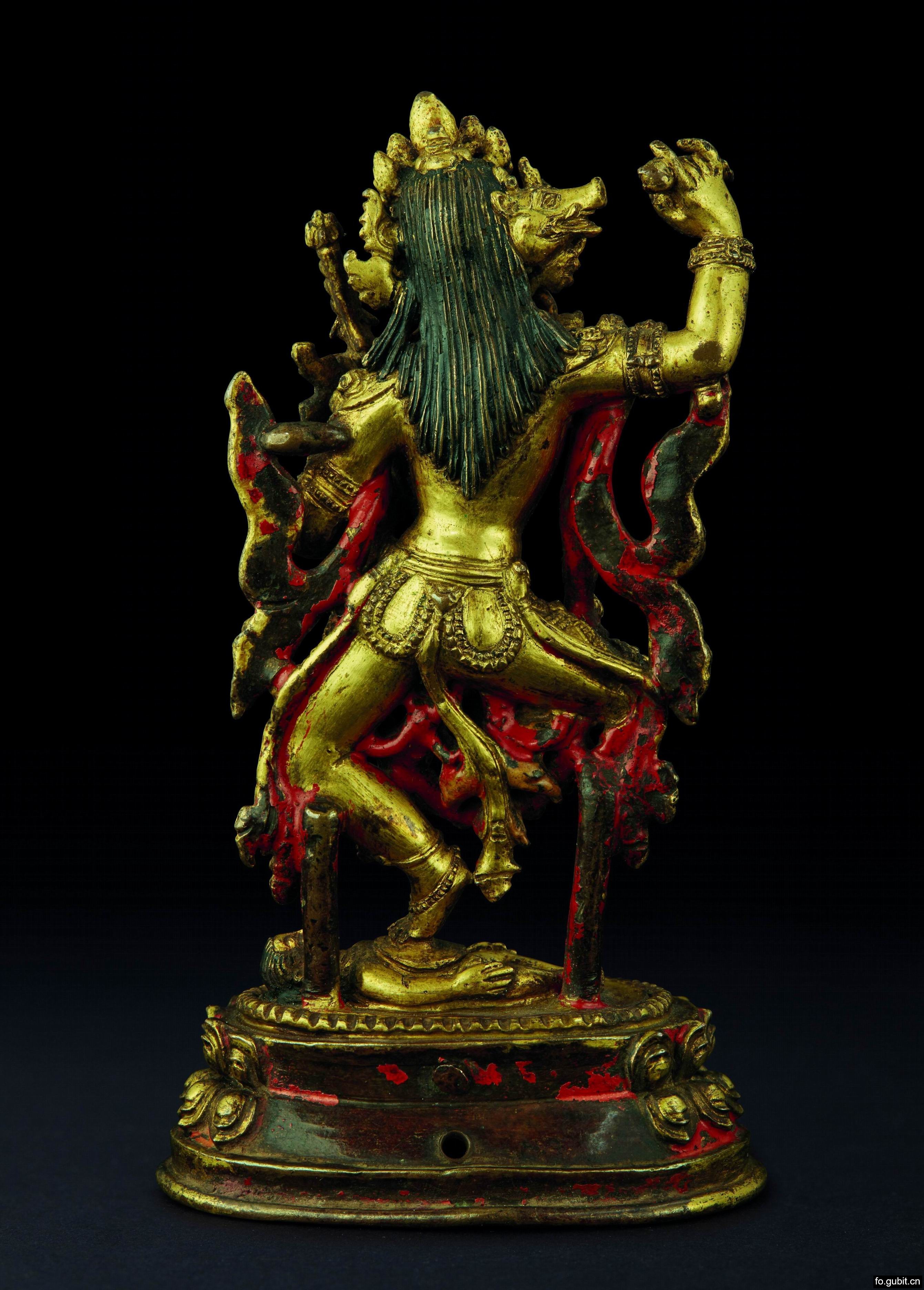 A GILT-BRONZE FIGURE OF VAJRAVARAHI
NEPAL, KHASA MALLA KINGDOM, 13TH-14TH CENTURY
4 ¼ in. (10.8 cm.) high
Provenance
Spink & Son, London, 22 April 1999
这尊非凡而罕见的金刚亥母(Vajravarahi) 鎏金铜像,以其尺寸而言,呈现出了极致精细的工艺水准。这位威猛本尊锋利的獠牙与猪首清晰可辨,其骷髅冠、珠鬘、悬首以及纤细的手指与脚趾等细节亦刻画入微。独特的工艺风格表明,它诞生于卡纳利盆地(Karnali Basin)(今尼泊尔西部)的卡萨马拉王国(Khasa Malla Kingdom) 统治时期,该王国大致存在于12世纪至14世纪中叶。
针对这种独特雕塑风格的学术研究十分有限,但伊恩·阿尔索普(Ian Alsop) 与乔达摩·瓦贾拉查尔(Gautama Vajracharya) 所汇编的现存实例表明,其风格特征在于繁复的装饰、小巧而沉实的法相以及极尽奢华的鎏金。造像的身形紧凑而不失优雅。尤为特别的是,金刚亥母高挑的眉弓几乎与发际线相接——这一特征同样见于卡萨马拉王国女性造像中,例如普里茨克收藏(Pritzker Collection) 中的般若佛母(Prajnaparamita)(伊恩·阿尔索普著《卡萨马拉王国的金属雕塑》,载于《Orientations》1994年6月,图10),以及沃尔特斯艺术博物馆(The Walters Art Museum) 藏的一尊绿度母(Green Tara) 鎏金铜像(馆藏号:2002, 54.3012)。普里茨克藏品与本尊金刚亥母还共享一处罕见特征:红色涂绘底座。
人们对卡萨马拉王国的了解甚少,除却从艺术赞助证据及其对加德满都谷地(Kathmandu Valley) 的偶发劫掠中获得的点滴信息。学者们的共识是:这个虔信佛教的王国,由其首位国王纳加罗阇(Nagaraja) 在12世纪率领一个部族进入卡纳利盆地而建立;后继诸王与其治下的西藏西部(Western Tibet) 臣民保持着良好关系——向西藏寺院进献的礼物即是明证。本尊雕塑正是这个短命王国存世之作中的典范。
Lot Essay
This remarkable and rare gilt-copper figure of Vajravarahi is executed with the greatest possible detail for a sculpture of its size. The powerful deity’s sharp teeth and sow’s head are clearly articulated, as are the features of her skull crown, beaded festoons, severed heads, petite fingers and toes. The distinct mode of craftsmanship indicates that this was created in the Karnali Basin (what is now Western Nepal) during the reign of the Khasa Malla dynasty which spanned from sometime in the twelfth to the mid-fourteenth century.
Scholarship on this very distinct style of sculpture is limited, but extant examples compiled by Ian Alsop and Gautama Vajracharya demonstrate a style distinguished by its ornamentation, petite yet weighty physiognomy, and extravagant gilding. The figure’s bodies are modeled with compact, yet graceful features. More particularly, the high arch of Vajravarahi’s eye-brows, which nearly meet the hairline, are shared among female figures attributed to the Khasa Malla Kingdom, such as the Prajnaparamita in the Pritzker Collection, illustrated by Ian Alsop in “The Metal Sculpture of the Khasa Malla Kingdom,” Orientations, June 1994, fig. 10, and a gilt copper alloy image of Green Tara in The Walters Art Museum (acc. no. 2002, 54.3012). The Pritzker example and the current work also share the unusual feature of a painted red base.
Little is known about the Khasa Malla Kingdom aside from the insights derived from the evidence of artistic patronage and their occasional raids of the Kathmandu Valley. The consensus among scholars is that this devoutly Buddhist Kingdom was born from a tribe led into the Karnali Basin by their first king, Nagaraja in the twelfth century, and that the kings who succeeded him maintained a positive relationship with the Western Tibetan subjects under his control, as evidenced by gifts to Tibetan temples. The present sculpture is an exemplary piece of this short-lived kingdom.
Himalayan Art Resources (himalayanart.org), item no. 24491.

