
侧边栏

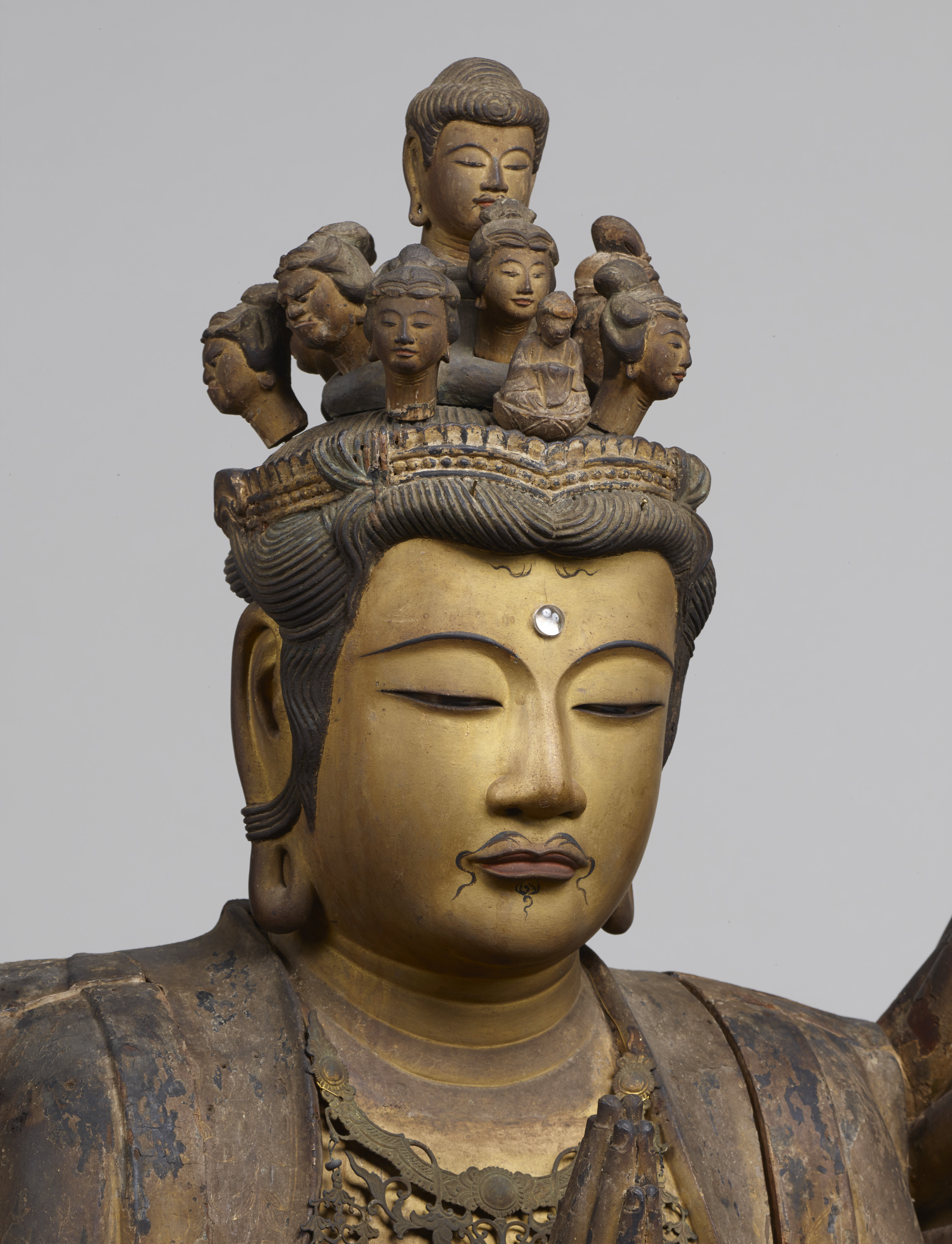
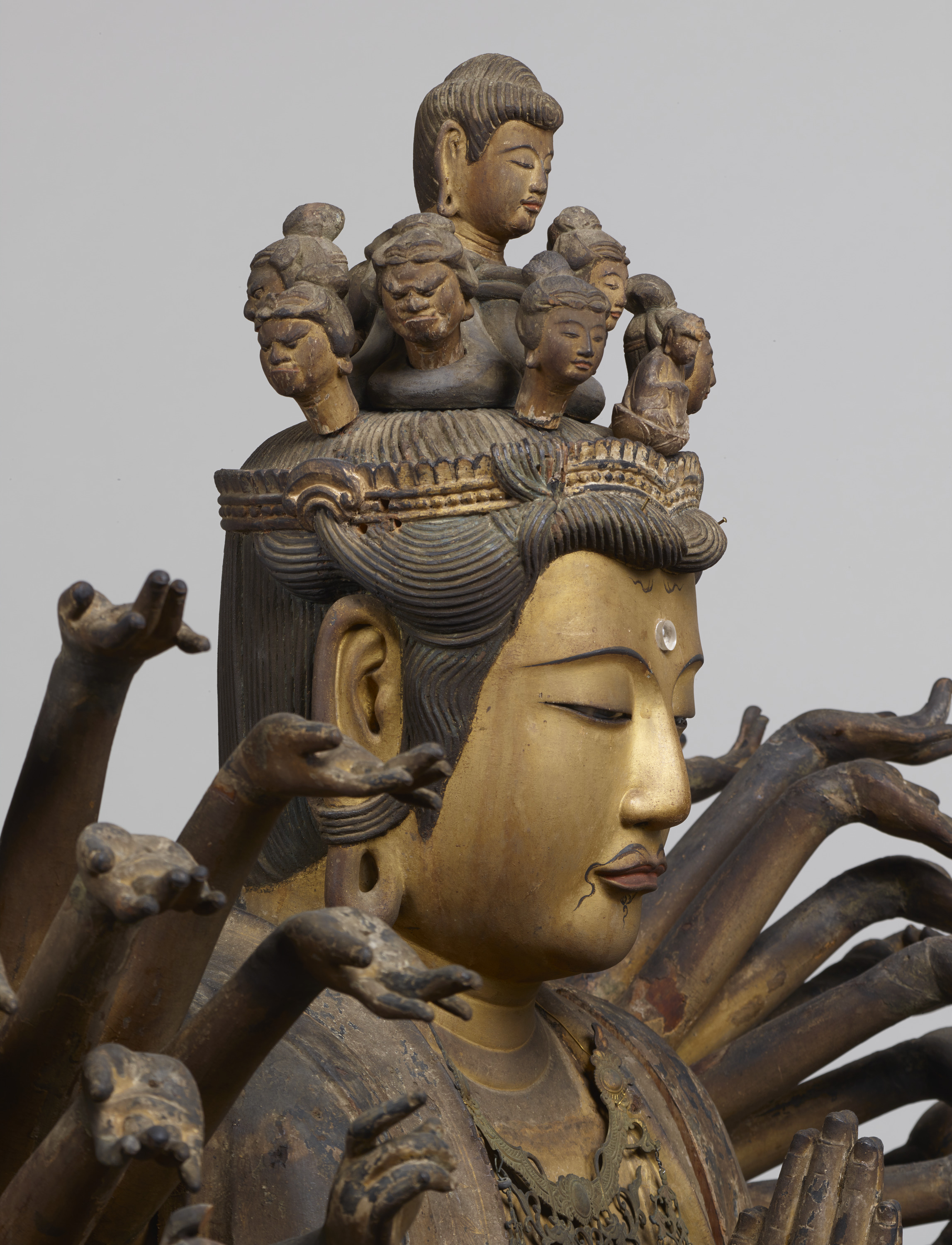
14世纪日本木雕贴金千手观音(日本东京国立博物馆)
尺寸: ?
年代: 14世纪(Nanbokuchō period, 南北朝时代)
质地: 木雕施金、截金箔、嵌水晶眼
风格: 日本
来源: 日本东京国立博物馆
参阅: 外部链接
鉴赏:
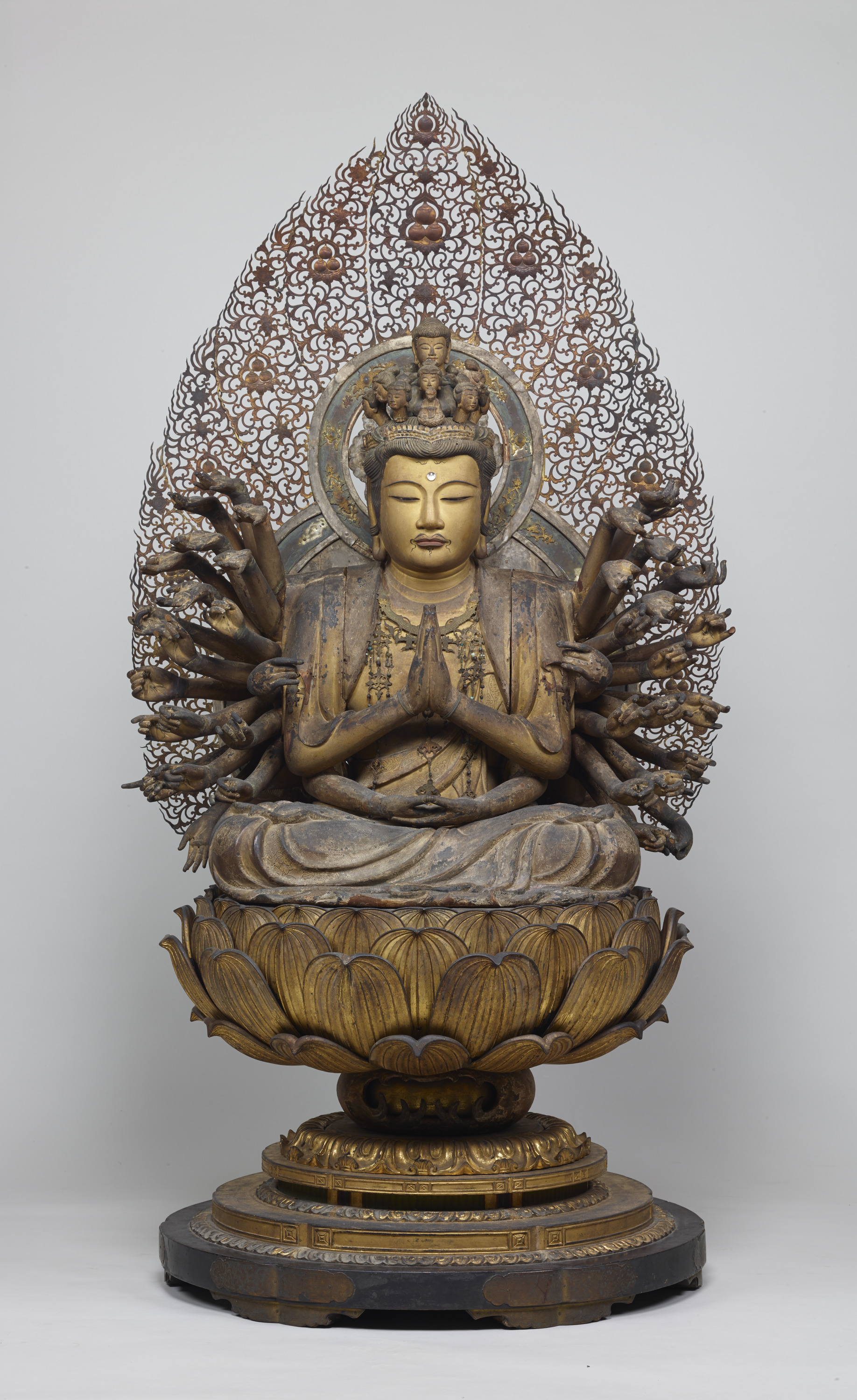
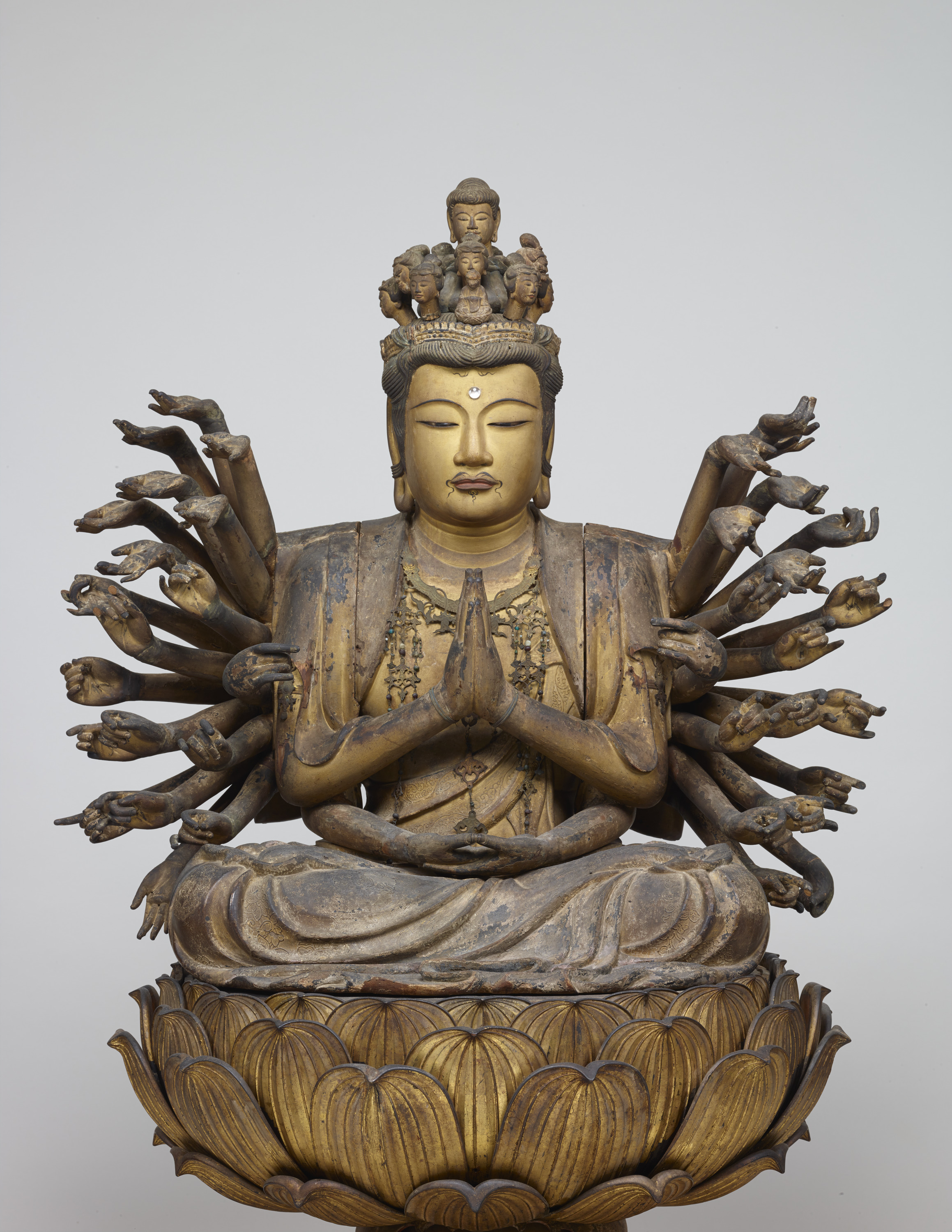
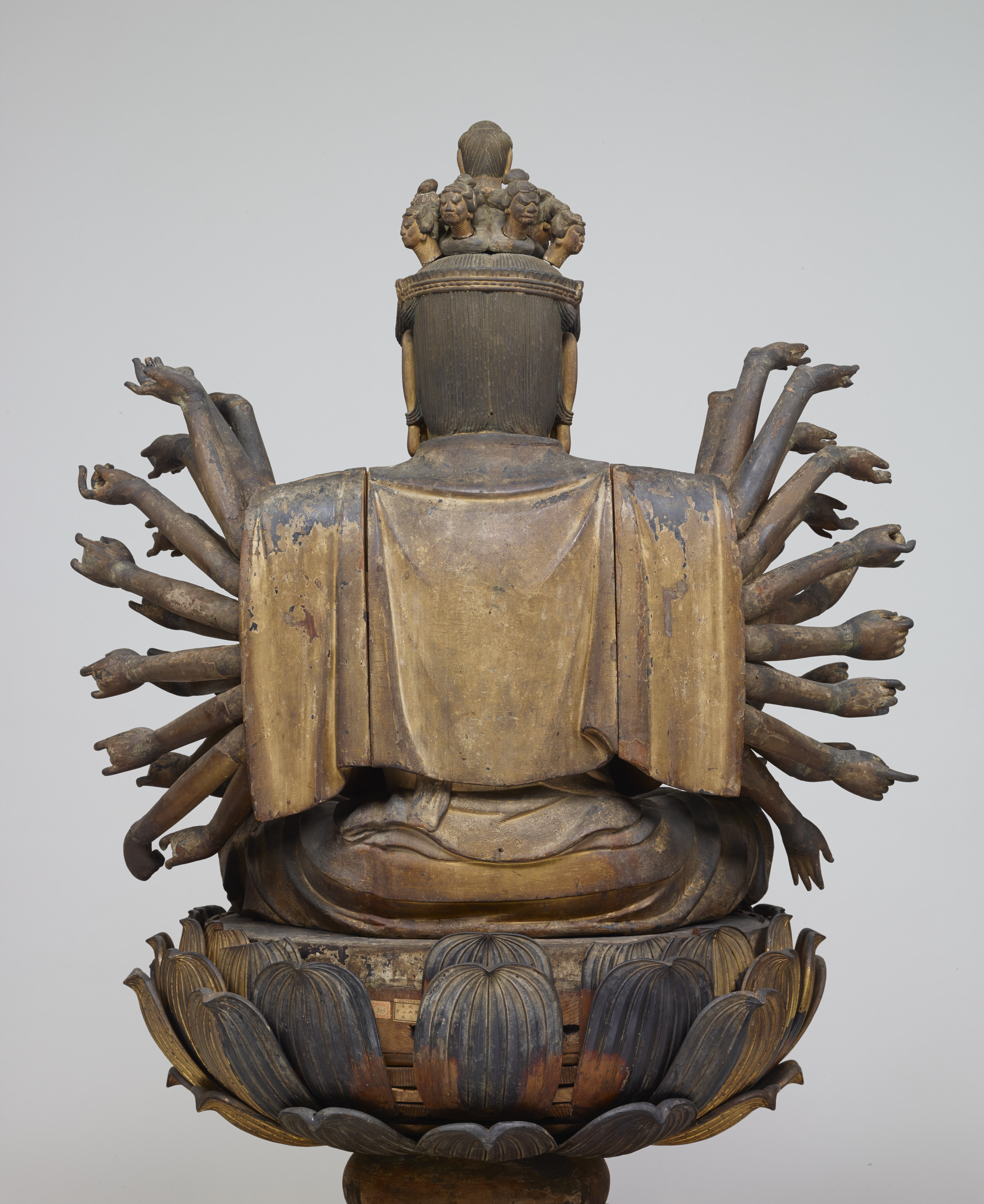
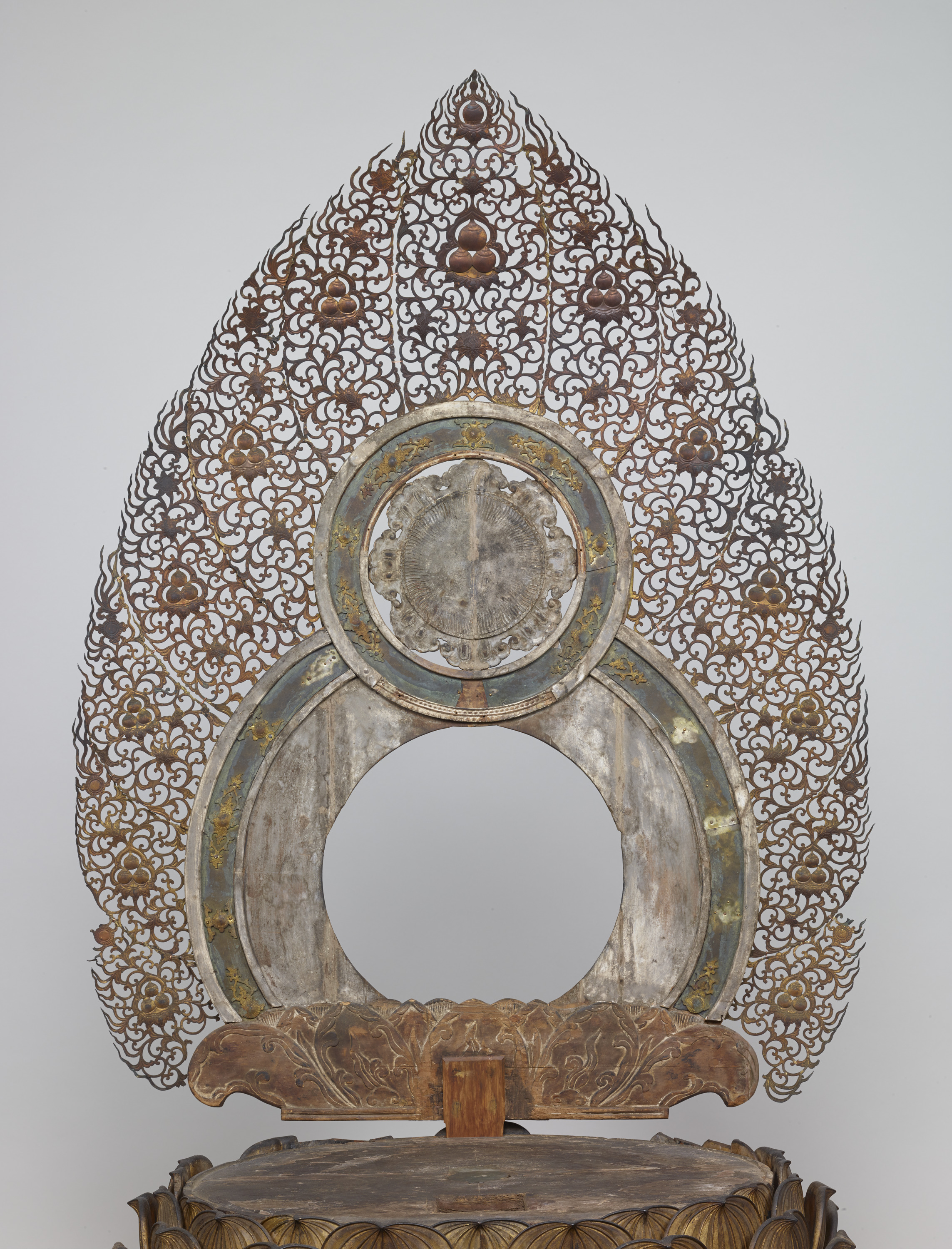
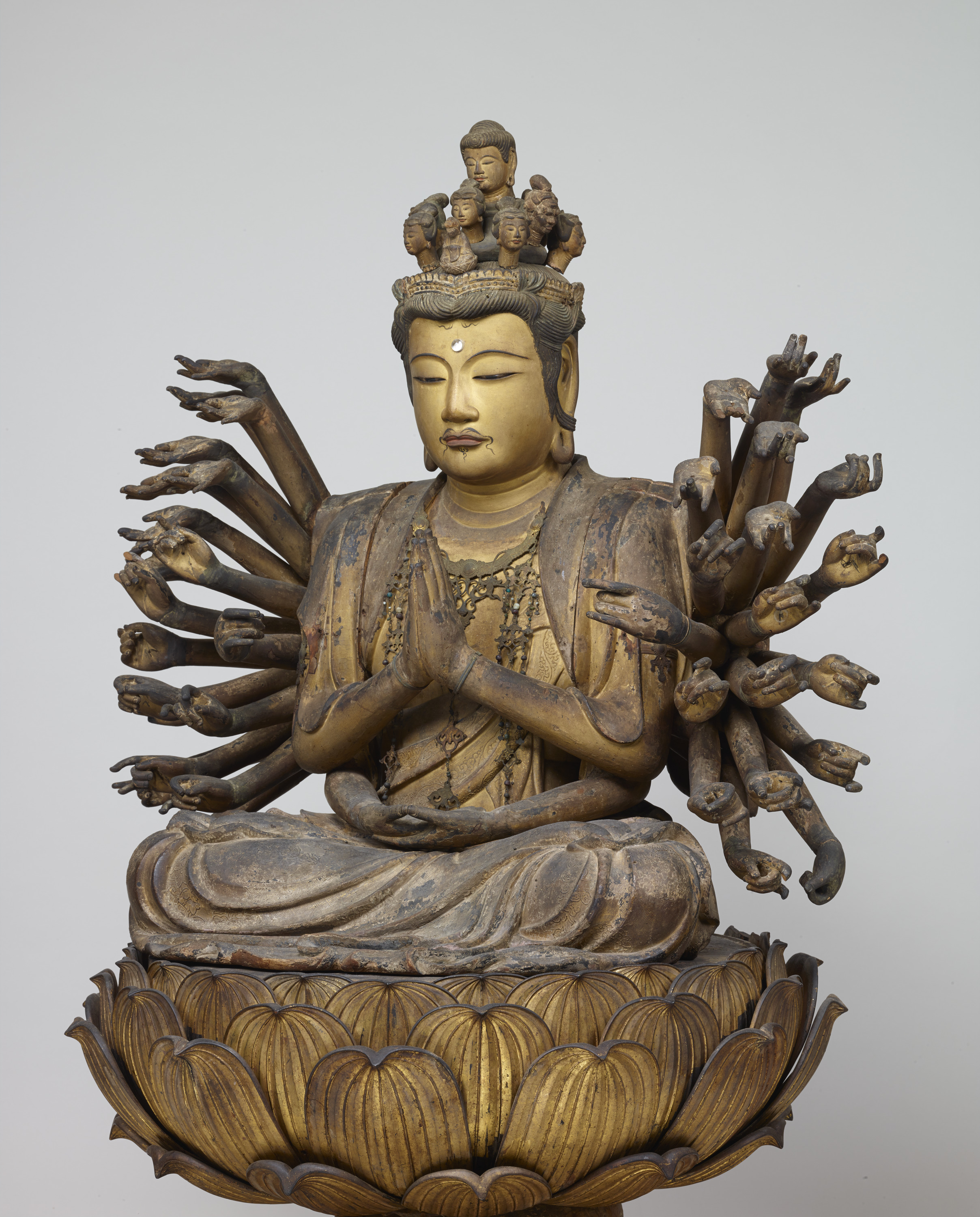
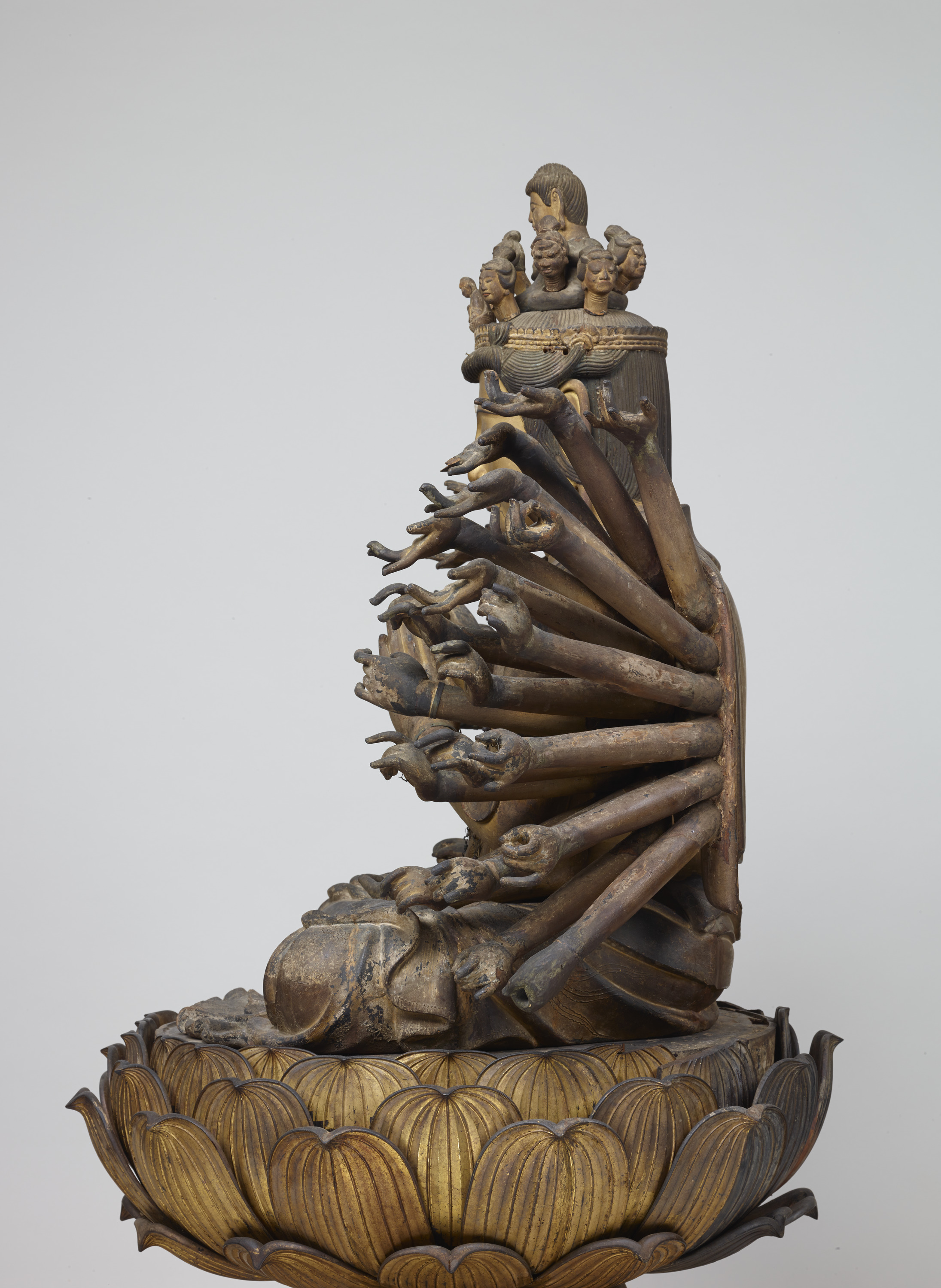
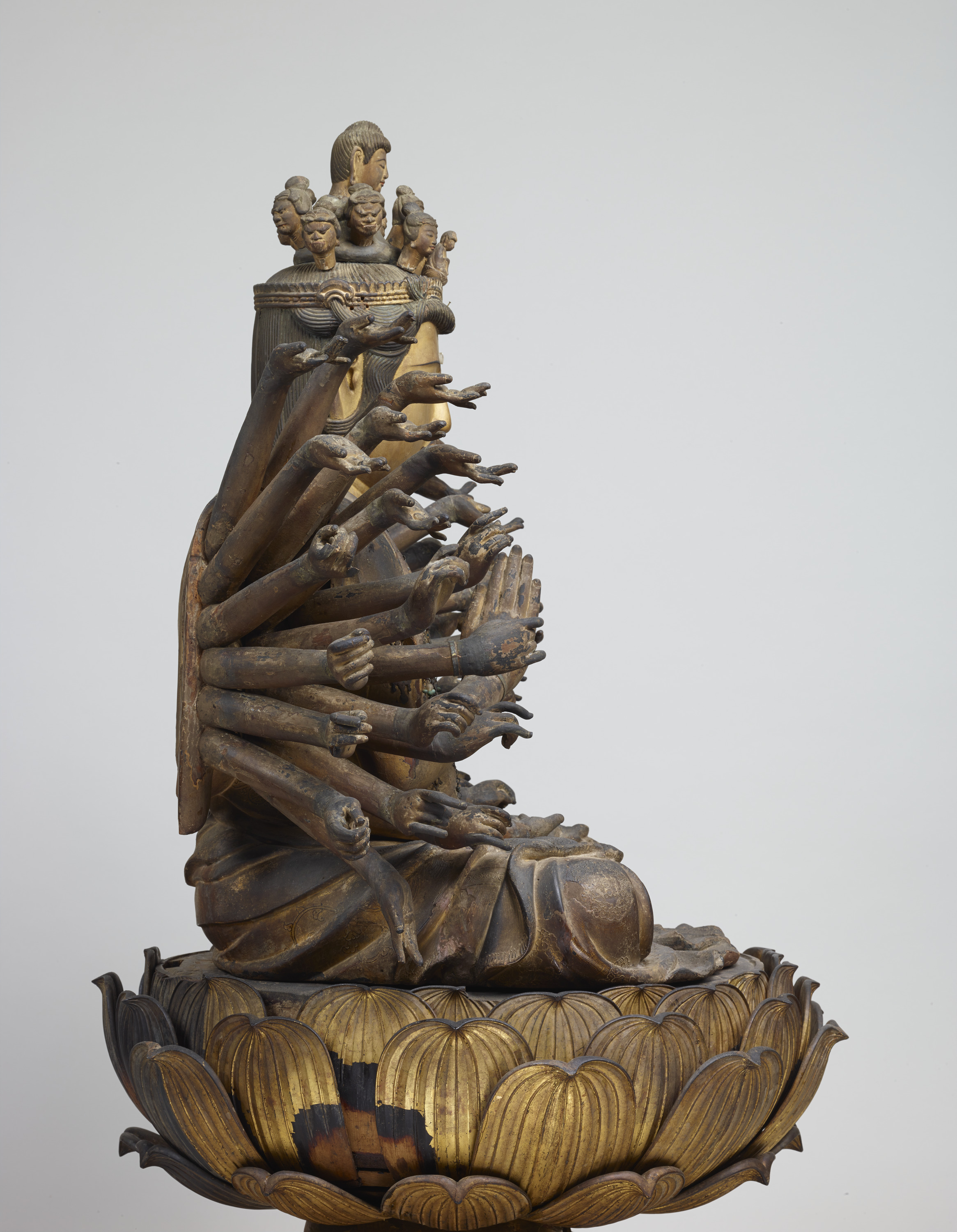
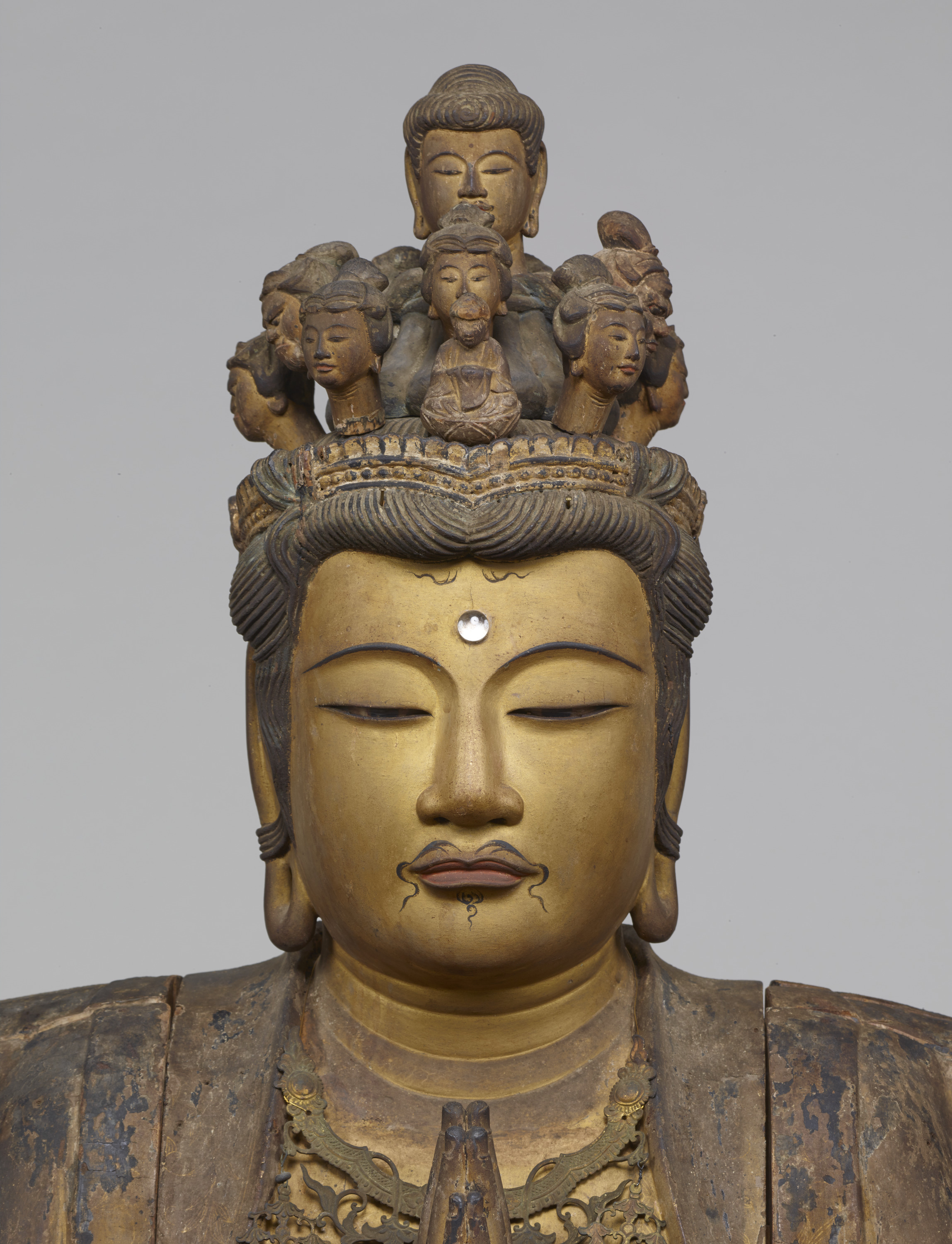
 The Thousand-Armed Bodhisattva Kannon
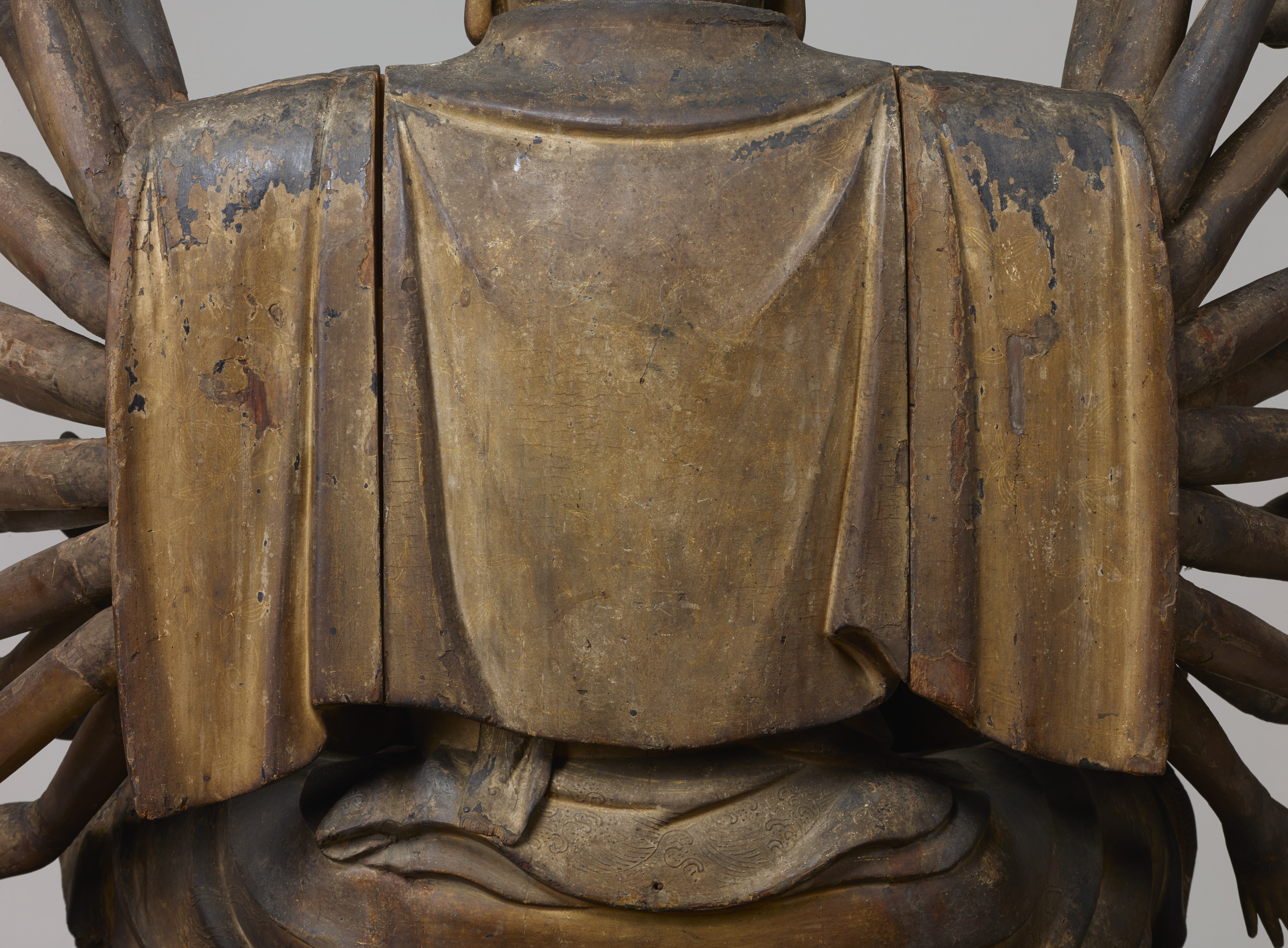
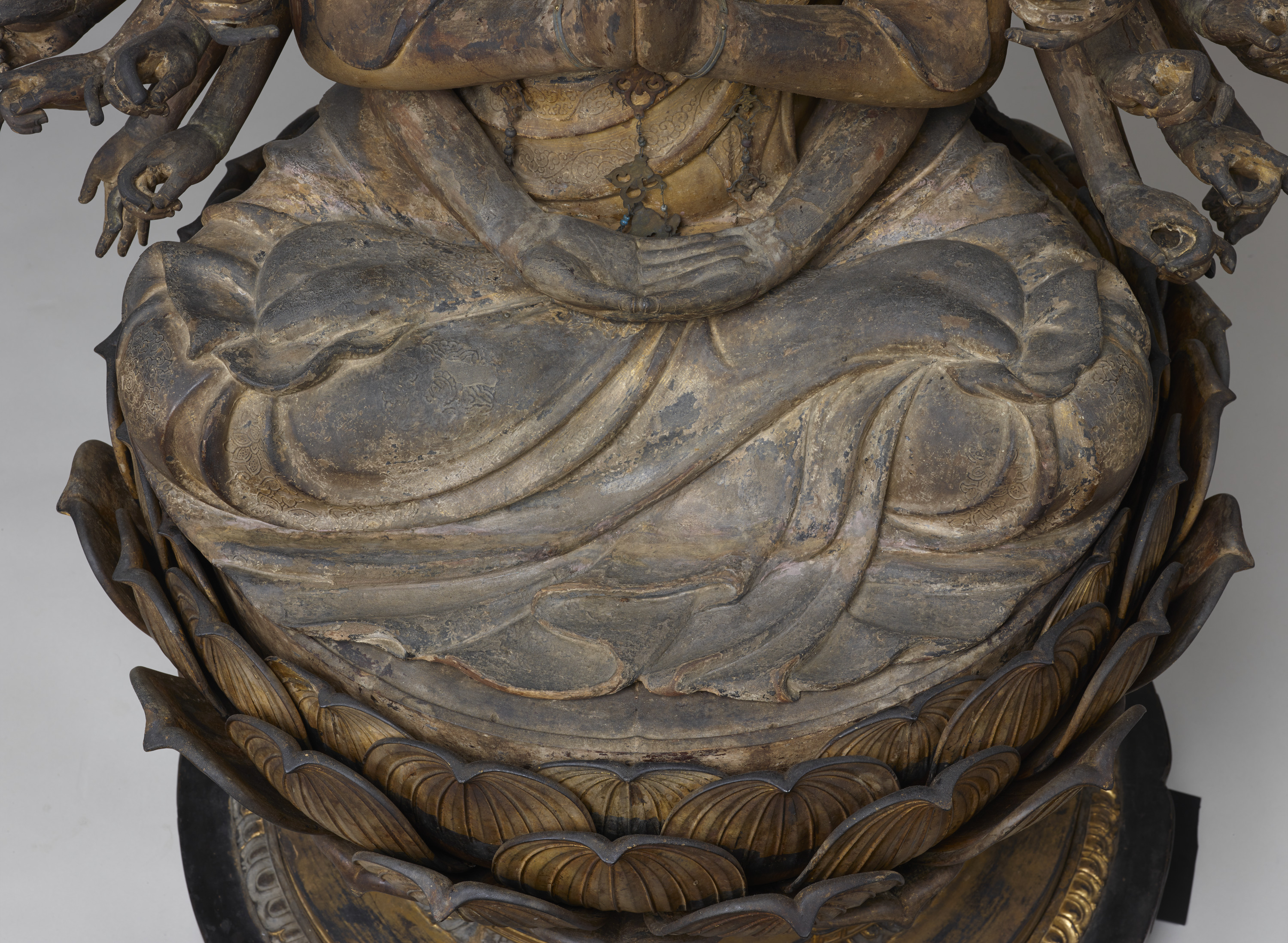
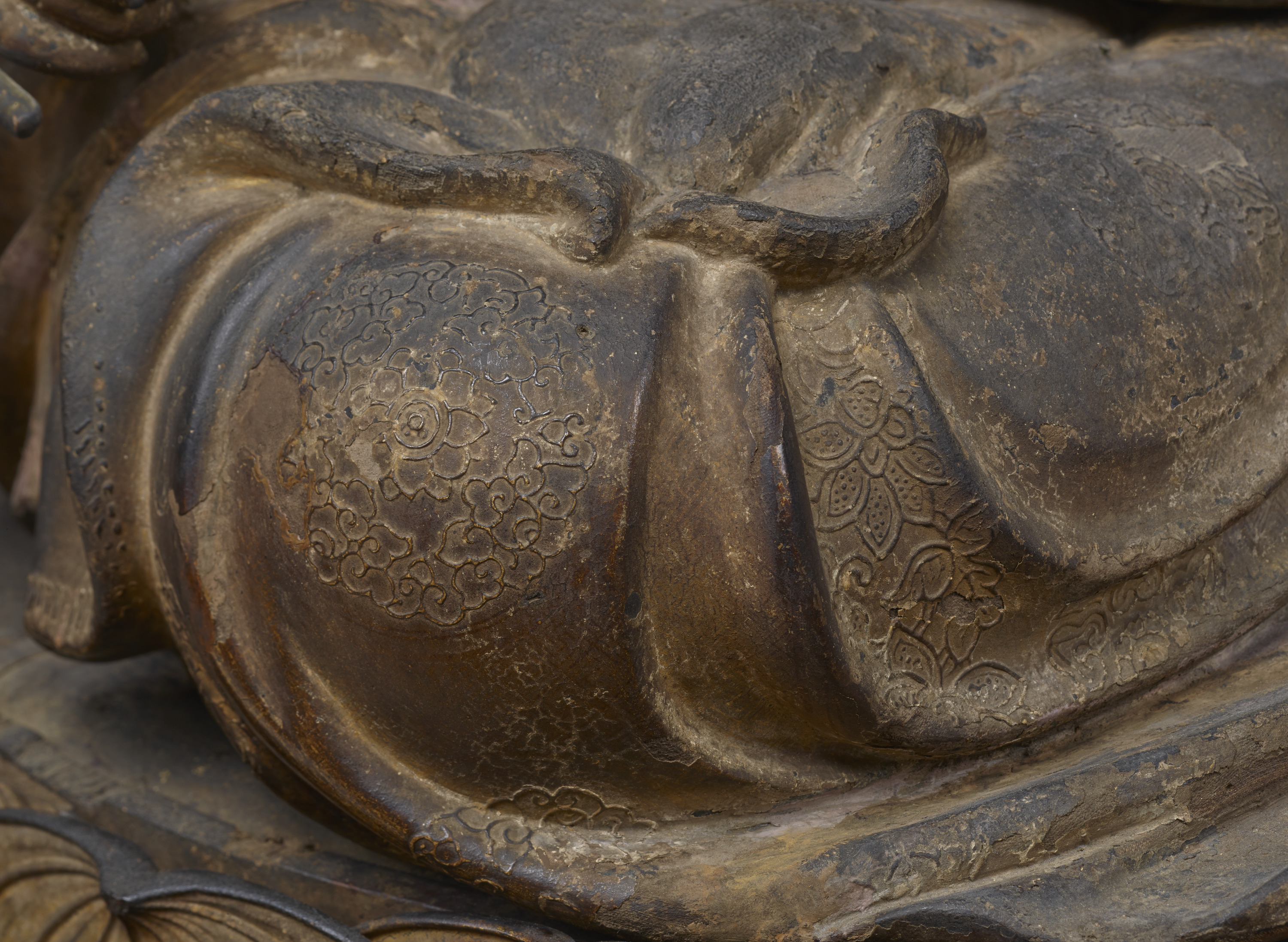
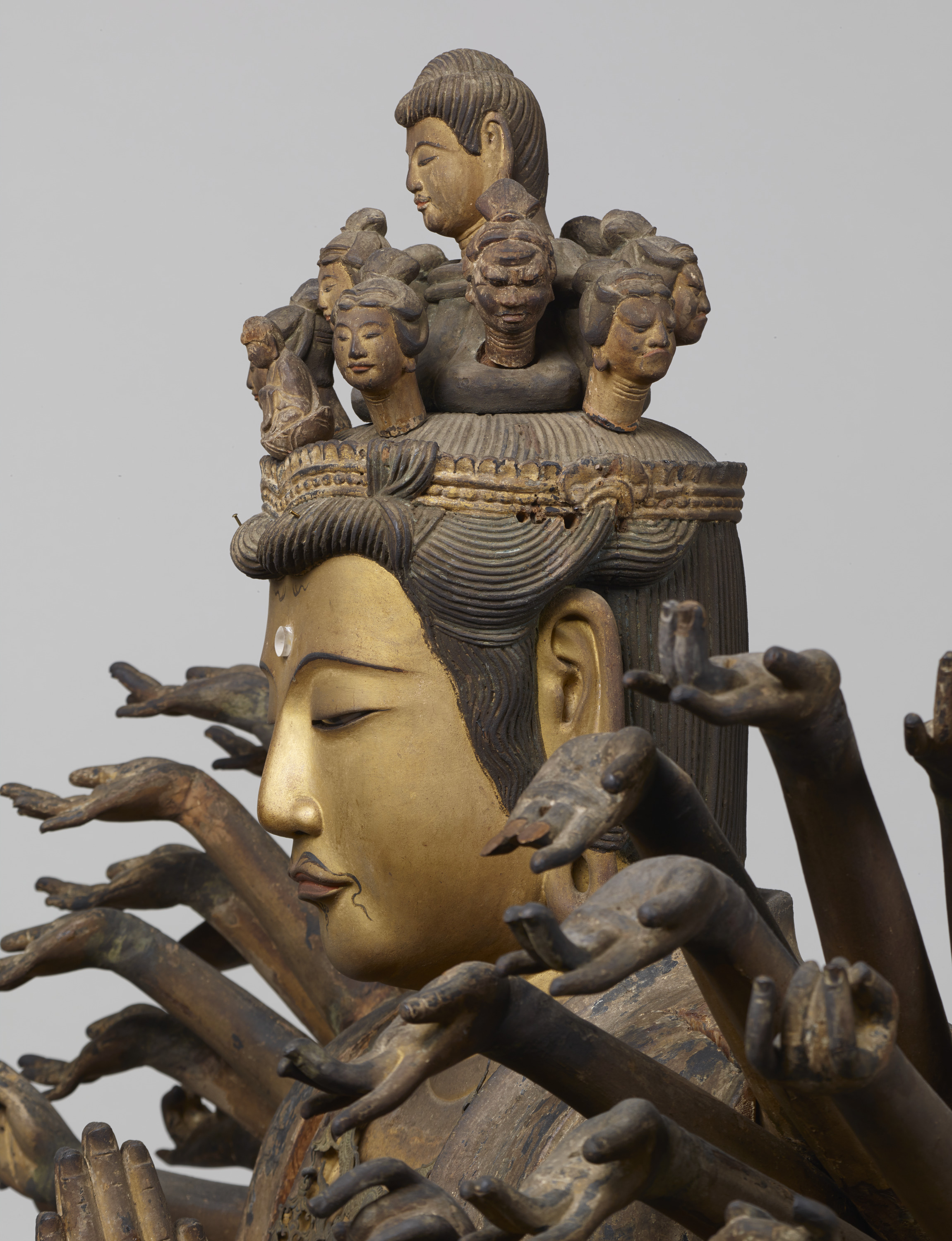
The main purpose of Buddhist deities is to bring people salvation. Even by these standards, the Bodhisattva Kannon is quick to aid people in distress and has enjoyed widespread worship since ancient times as a result. Kannon also appears before humans in a variety of different forms. This sculpture depicts one of those forms, known as the Thousand-Armed Bodhisattva Kannon. The Thousand-Armed Kannon is a Buddhist deity who uses his thousand arms to help those in need. The number of arms is normally abbreviated in Buddhist art, and he is rarely actually depicted with the full thousand. This statue has 40 smaller arms sprouting from its sides in addition to the two arms with hands pressed together in prayer in front of its chest. Each of these smaller arms is believed to have the strength of 25 arms, meaning that 40 of them are equal to 1,000 arms. When was this statue made, and by whom? Its flat, angular face and physique and the delicate, flowing folds of its robe are clues. They are characteristic of the works of the In school, which created sculptures incorporating Chinese styles in the mid-14th century. The school gets its name from the fact that many of its sculptors added the character “in,” meaning “temple,” to their names. This sculpture is precious because the pedestal on which it sits and the mandorla behind it remain almost unchanged since they were first made. Many such pedestals and mandorlas were destroyed in earthquakes, fires or other disasters and remade in later periods. Note the materials. The statue, the pedestal and the center of the mandorla are all made of wood, but the rim of the mandorla is made of bronze. The exquisite delicacy of the patterned fretwork speaks to the skill of the sculptor.
Worshiped as a deity of compassion, Kannon uses his numerous arms to rescue living beings from suffering. His lotus throne symbolizes purity and enlightenment, while the elaborate halos framing his head and body represent sacred light. The thrones and halos of Buddhist statues are often damaged and replaced over time, but this statue retains its original ones from over 600 years ago.
千手观音菩萨
佛教神祇的主要宗旨是普度众生。即便以这样的标准来衡量,观音菩萨也是救苦救难的疾速应现者,因此自古以来便广受信奉。观音还会以多种不同的化身示现于人间。这尊雕像所表现的正是其中一种化身,即所谓的千手观音菩萨。千手观音是以千手救助众生的佛教神祇。在佛教艺术中,手臂的数量通常被简化,极少实际刻画出一千只手臂。这尊雕像除了胸前合十的两只手臂外,两侧还伸展出四十只较小的手臂。据信,每一只较小的手臂都具有二十五只手臂的力量,因此四十只手臂便等同于一千只手臂。这尊雕像造于何时,又出自何人之手?其扁平而棱角分明的面部与体态,以及衣袍上细腻流畅的衣褶,都提供了线索。这些特征体现了“院派”作品的风格,该流派在14世纪中叶创作出融合中国风格的雕像。“院派”之名源于其许多雕刻师都在名字中加入“院”字。这尊雕像珍贵之处在于,其底座与背光自最初制作以来几乎未经改动。许多此类底座与背光都在地震、火灾或其他灾害中被毁,并在后世重制。请注意其材质:雕像、底座及背光中心均为木质,但背光的边缘为铜制。精细的镂空纹饰展现了雕刻师的高超技艺。
观音作为慈悲菩萨,以其众多手臂救度众生脱离苦难。其莲座象征清净与觉悟,而环绕头身的精致光轮则代表神圣光明。佛教造像的台座与光轮常随时间流逝而损毁重制,但这尊雕像仍保留着距今六百余年的原始构件。

